Friday, 27 August 2021

តើកម្ពុជារៀនសូត្របានអ្វីខ្លះពីស្ថានការណ៍នយោបាយនៅអាហ្វហ្គានីស្ថាន?​


 ចូលទស្សនានិងស្តាប់នៅទីនេះ

តើយុទ្ធសាស្ត្រនយោបាយថ្មីរបស់អាមេរិកដែលដកទ័ពចេញពីកាប៊ូល ទៅពង្រឹងសន្តិសុខនៅអាស៊ីប៉ាហ្វិក នឹងជះឥទ្ធិពលបែបណាដល់ក្រុមប្រទេសដែលជាសម្ព័ន្ធមិត្តរបស់ចិន?


ចូលទស្សនានិងស្តាប់នៅទីនេះ

តើមូលហេតុអ្វី បានជាប្រទេសប្រជាធិបតេយ្យបន្តផ្ដល់ជំនួយដល់កម្ពុជា?


បណ្ដាប្រទេសប្រជាធិបតេយ្យ ដូចជាសហរដ្ឋអាមេរិក សហភាពអឺរ៉ុប និងប្រទេសអភិវឌ្ឍន៍មួយចំនួនទៀត រួមទាំងអង្គការសហប្រជាជាតិផង នៅតែបន្តផ្ដល់ជំនួយដល់កម្ពុជា បើទោះបីជាបណ្ដាប្រទេសទាំងនោះបានរិះគន់រដ្ឋាភិបាលឯកបក្សថា ជារដ្ឋាភិបាល ដែលបានកើតចេញពីការបោះឆ្នោតមិនត្រឹមត្រូវ រំលោភសិទ្ធិមនុស្ស និងដើរឃ្លាតចាកពីគន្លងប្រជាធិបតេយ្យជាដើម។ វេទិកាអ្នកស្ដាប់អាស៊ីសេរី ៖តើមូលហេតុអ្វីបានជាប្រទេសប្រជាធិបតេយ្យបន្តផ្ដល់ជំនួយដល់កម្ពុជា? វាគ្មិន៖ លោក គល់ បញ្ញា ជាទីប្រឹក្សាអង្គការឃ្លាំមើលការបោះឆ្នោត ខុមហ្រ្វែល COMFREL លោក វណ្ណ ប៊ុនណា អ្នកស្រាវជ្រាវនៅវិទ្យាស្ថានខ្មែរសំរាប់សហប្រតិបត្តិការនិងសន្តិភាព (CICP)

ចូលទស្សនានិងស្តាប់នៅទីនេះ


Friday, 2 July 2021

As US-China Rivalry Grows, Will Cambodia’s Tragedy Return?


Cambodia has been increasingly seen as a centre point of the US-China competition for influence in Southeast Asia. The recent allegation of China’s potential military presence in Cambodia is a critical point to test the Kingdom’s resilience and capability in navigating contemporary international politics of great power rivalry. Amid the US-China geopolitical competition, the issue of the Ream Naval base seems to be a matter of great concern that can trap Cambodia in the middle of great powers’ geopolitical and geostrategic struggle, potentially turning it into a battlefield.

Monday, 3 May 2021

Myanmar Crisis to Pose Challenges for Cambodia’s ASEAN Chairmanship 2022

 Vann Bunna*

Cambodia is expected to assume the annually rotating chair of the Association of Southeast Asian Nations (ASEAN) in 2022 for the third time since it joined the regional bloc in 1999. The political crisis in Myanmar will pose great challenges for Cambodia as an ASEAN chair in 2022 if the issue cannot be solved timely under Brunei’s ASEAN chairmanship this year.

Myanmar military staged a coup and seized power from the democratically elected government on February 1, 2021. It detained the country’s de facto leader Aung San Suu Kyi and other senior members of the ruling National League for Democracy (NLD).

Friday, 30 April 2021

តើមានសេណារីយ៉ូអ្វីខ្លះក្នុងការដោះស្រាយវិបត្តិភូមា?


ដោយ វណ្ណ ប៊ុនណា

វិបត្តិនយោបាយកំពុងទាញទម្លាក់ប្រទេសភូមាឲ្យផុងធ្លាប់ជ្រៅក្នុងស្ថានភាពវឹកវរធ្ងន់ធ្ងរ។ ទោះមានការថ្កោលទោស និងដាក់ទណ្ឌកម្មពីសហគមអន្តរជាតិយ៉ាងណាក្តី ក៏ពួកយោធាហាក់មិនបានបន្ធូរដៃក្នុងការប្រើធម៌ក្តៅដើម្បីបង្ក្រាបក្រុមបាតុករនោះទេ។ ជាក់ស្តែង គិតត្រឹមថ្ងៃទី១៣មេសា មានបាតុករយ៉ាងហោច ៧១០នាក់បានស្លាប់ ដោយការបាញ់រះ និងផ្លោងគ្រាប់រ៉ូកែតរបស់ពួកកងទ័ព និងមានអ្នកត្រូវបានចាប់ខ្លួនបានកើនឡើងរហូតដល់ ៣០៨០នាក់។ ប្រជាពលរដ្ឋជាច្រើននាក់ទៀត បានរត់ភៀសខ្លួនទៅកាន់ប្រទេសថៃនឹងឥណ្ឌាថែមទៀត។

Friday, 16 April 2021

Hello VOA៖ អន្តរាគមន៍​អាស៊ាន​ក្នុង​វិបត្តិ​ក្រោយ​រដ្ឋប្រហារ​ភូមា


បាតុកម្ម​មហាជន​ទូទាំង​ប្រទេសភូមា បាន​កើតមាន​ជារៀងរាល់​ថ្ងៃ ចាប់តាំងពី​ក្រុមយោធា​ធ្វើ​រដ្ឋ​ប្រហារ ចូល​មក​កាន់​អំណាច​ដោយ​ប្រើ​ច្បាប់​សឹកមក។ យ៉ាងណា​ក៏ដោយ បណ្ដារដ្ឋ​រួម​សមាគម​ប្រជាជាតិ​អាស៊ីអគ្នេយ៍​ជាមួយ​ភូមា​​មាន​គោលជំហរ និង​ផល​ប្រយោជន៍​ផ្សេងៗ​ពីគ្នា ក្នុង​កិច្ចខិតខំ​ប្រឹងប្រែង​​ចាត់​វិធាន​ធ្វើ​អន្តរាគមន៍​ក្នុង​​សំឡេង​​តែ​មួយ​របស់​អាស៊ាន​​ជួយ​សម្រុះ​សម្រួល​បញ្ចៀស​អំពើ​ហិង្សា​ទ្រង់ទ្រាយ​ធំ​ជាង​នេះ។ លោក វណ្ណ ប៊ុនណា ​អ្នក​ស្រាវ​ជ្រាវ​នៅ​វិទ្យាស្ថាន​ខ្មែរ​សម្រាប់​សហប្រតិបត្តិការ​និង​សន្ដិភាព បាន​​ចូលរួម​​ជា​​វាគ្មិន​​ជជែក​​អំពី​​បញ្ហា​នេះ​ ក្នុង​​កម្មវិធី​ Hello VOA ចាក់​ផ្សាយ​​ថ្ងៃទី​៤ ខែ​មីនា ឆ្នាំ​២០២១ ដែល​​មាន​​លោក អូន ឆេងប៉រ ជា​​អ្នក​សម្រប​​សម្រួល៕

សូមចុចស្តាប់នៅទីនេះ


Wednesday, 24 February 2021

Cambodia’s Political Development in 2050: A Youth’s Perspective


Vann Bunna

Today is November 9, 2050. Cambodian people are proudly and cheerfully celebrating the 97th anniversary of their country’s Independence Day. Impressively, Cambodia is now a knowledge-based economy and a developed country with a gross national income (GNI) per capita of around US$ 12,600, thanks to strong economic growth and well-functioning democracy for the last few decades.

I am now 56 years old. I am a very proud Cambodian to have witnessed how my country has progressively transformed itself from a lower-middle-income nation in the 2020s to a high-income country in 2050. I have countless great-hearted memories to talk about the Kingdom’s progress; however, given my background in political science, I am strongly motivated to share my perspectives on how impressive Cambodia’s political development in 2050 is.

Monday, 15 February 2021

Myanmar Coup: What It Means for ASEAN

Bunna Vann  & Visal Chourn


On February 1, the Myanmar military seized power from a democratically elected civilian government in what has been confirmed as a 
coup. It detained the de facto country leader Aung San Suu Kyi and other members of the ruling National League of Democracy party (NLD) and announced a one-year state of emergency. This move has turned Myanmar once again into a military junta regime after nine years of democratic transition, putting the future of the country in uncertainty.

This shock move came hours before convening the first session of Myanmar’s newly elected parliament since the November 2020 election—in which State Counsellor Aung San Suu Kyi’s NLD party got a landslide victory over the military-backed Union Solidarity and Development Party. However, the military did not accept the election result and used a voter fraud allegation, which Myanmar’s union election commission rejected, to justify its action with the intention of conducting a fresh “free and fair” election. Reflecting on this recent development, what could the political crisis in Myanmar mean for the Association of Southeast Asian Nations (ASEAN) and how can ASEAN navigate it?

Thursday, 26 November 2020

What a Joe Biden Presidency Could Mean for Liberal International Order?

President-elect Joe Biden delivers a Thanksgiving address at the Queen Theatre in Wilmington, Delaware, on November 25, 2020. (Photo: AFP)

Bunna Vann

Joe Biden is projected to take over the White House as the 46th President of the United States of America after his victory over President Donald Trump in the US Presidential Elections on Nov. 3, 2020. As the US will have a new President, it is important to examine the implications of Biden presidency on US-led liberal international order and how the President-elect can rebuild the US’s global leadership. 

Wednesday, 2 September 2020

The Need for Cambodia to Deepen its India Engagement

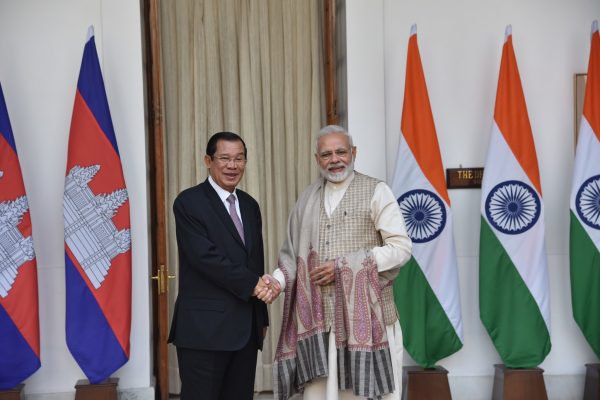
Indian Prime Minister Narendra Modi (R) shakes hands with his Cambodian counterpart Hun Sen during the ceremonial reception in New Delhi, India, Jan. 27, 2018. (Photo: Xinhua)

  • Kimkong Heng and Bunna Vann
    • Cambodia should increase its India engagement to gain support for its post-COVID-19 economic recovery and to mitigate the impact of the European Union’s partial withdrawal of its Everything But Arms (EBA) trade scheme.

      India is one of the Asian giants. With a population of 1.3 billion, it ranks as the world’s second-largest population. India is projected to overtake China and become the world’s most populous country​ around 2027.


      Currently, India is the world’s third largest economy in terms of purchasing power parity, and the world’s fifth largest economy with a Gross Domestic Product (GDP) of $2.65 trillion in 2017.

      Full article available here

      To Avoid Overdependence on China, Cambodia Needs to Build Its Relations With India

      Indian Prime Minister Narendra Modi meets Cambodian Prime Minister Hun Sen at Hyderabad House in New Delhi, Jan. 27, 2018.  Credit: Indian Ministry of External Affairs

      By Bunna Vann and Kimkong Heng

      Cambodia has to bring in the Indian card to balance China's economic and geopolitical influence in Cambodia as well as in Southeast Asia. 

      As its economy is severely affected by the dual impact of COVID-19 and the EU’s withdrawal of Everything But Arms trade privileges, Cambodia should look to India for support.

      With 1.3 billion people, India is the world’s second most populous country, and is expected to surpass China to become the world’s largest population​ by 2027. India is obviously a huge potential market for the world. It is now the world’s third largest economy in purchasing parity terms and the world’s fifth largest economy with a Gross Domestic Product (GDP) of $2.87 trillion in 2019. By 2027, India is predicted to become the third-largest economy in the world in terms of nominal GDP.
      Full article available here

      Friday, 7 August 2020

      Youth's role in advaning Cambodia's digital diplomacy


      In the context of industry 4.0, young Cambodians are well placed to enhance their country's image globally.
      By BUNNA VANN And KIMKONG HENG

      As the world enters the Fourth Industry Revolution, also known as Industry 4.0, the adoption and use of modern diplomacy, particularly digital diplomacy, seem viable and promising for Cambodia. But how can youth, considered as the future of the Cambodian nation, encourage the government to advance its digital diplomacy? Read more...

      Thursday, 6 August 2020

      តើ​នយោបាយ​នៅតែ​ជា​រឿង​បោកប្រាស់​ក្នុង​ទស្សនៈ​ពលរដ្ឋ​ខ្មែរ​ឬ​?


      ដោយ វណ្ណ ប៊ុន​ណា

      លិខិត​មិត្ត​អ្នកអាន​៖ «​នយោបាយ គឺជា​ន​យោ​បោក និង​ជាការ​បោកប្រាស់​របស់​អ្នកនយោបាយ​។ កុំ​ចង់​ប្រឡូក​ជាមួយ​នយោបាយ បើ​មិន​អស់​ជីវិត ក៏​ជាប់គុក រត់ចោលស្រុក ឬក៏​វិនាស​ទ្រព្យសម្បត្តិ​ដែរ​។ កុំទៅ​ខ្វាយខ្វល់​ជាមួយនឹង​នយោបាយ រឿង​នយោបាយ​ទុកឱ្យ​អ្នកនយោបាយ​ជា​អ្នកដោះស្រាយ យើង​គិតតែ​ពី​រឿង​រកស៊ី​ទៅបាន​ហើយ​»​។

      ទាំងអស់នេះ​គឺជា​អ្វីដែល​ខ្ញុំ​តែងតែ​ឮ​ស្ទើរ​រៀងរាល់ថ្ងៃ​ក្នុងសង្គម​ខ្មែរ នៅពេល​និយាយ​ដល់​ពាក្យនយោបាយ ឬ រឿង​ទាំងឡាយណា​ពាក់ព័ន្ធ​នឹង​នយោបាយ​។ តើ​នយោបាយ នៅតែ​ជា​រឿង​អវិជ្ជមាន​ដែល​គួរឱ្យ​ខ្លាចរអា ឬក៏​ជាការ​បោកប្រាស់​ដូច​ការយល់ឃើញ​ខាងលើ​ឬទេ​? Read more...

      Wednesday, 29 July 2020

      The vital role of youth in promoting Cambodia’s culture and image abroad


      Bunna Vann & Heng Kimkong

      With ever-closer Chinese ties, human rights abuses and shrinking democratic space clouding Cambodia's reputation internationally, it is youth who could play a vital role as cultural diplomats in promoting the Kingdom's rich history and society abroad. Read more...


      Friday, 5 June 2020

      Studying Abroad in the Time of COVID-19: Adaptability and Patience


      Vann Bunna is pursuing a master’s degree in Political Science at Jamia Millia Islamia University in New Delhi, India. (Photo supplied)

      ThmeyThmey’s Sao Phal Niseiy spoke with Vann Bunna who is pursuing a master’s degree in Political Science at Jamia Millia Islamia University in New Delhi, India. Having been awarded with the Youth Role Model and Academic Excellence awards, Bunna graduated from the University of Cambodia with a degree in International Relations in 2018


      Sao Phal Niseiy: You are pursuing a master’s degree in Political Science at a Public University in India under the Indian Government’s Scholarship Program, but why did you choose India for a political science course?


      Vann Bunna: India is the land of ancient wisdom. To date, India has a highly qualified and internationally recognized education system. Through my personal experience working and interacting with Cambodians receiving education from India at both academic and governmental levels, I have observed they are really knowledgeable and competent in the field of their studies and expertise, especially political affairs. 

      Read the full article

      Sunday, 9 February 2020

      Why Should You Study in India?


      Having an opportunity to study abroad may be every student’s dream in their academic life. Frankly speaking, I am also the one among them who always dream to study abroad since I was a child. After my graduation of B.A. in International Relations from the University of Cambodia in late 2018, I decided to apply for Indian Government Scholarship 2019-2020 under Mekong-Ganga Cooperation Scholarship Scheme of India Council for Cultural Relations (ICCR). Luckily, I was awarded the scholarship to study a Master’s Degree in Political Science at Central Government University, Jamia Millia Islamia, New Delhi.  To study in India, some Cambodian students may hesitate to make a decision to apply. 

      Friday, 15 November 2019

      Article Review: “Does Democracy Cause Peace?”


      Published by Annual Review of Political Science Journal on Volume 1, 1998, the article on “Does Democracy Cause Peace?”, James Lee Ray, Professor Emeritus of the Department of Political Science, Vanderbilt University, discussed on the proposition that democratic states are peaceful in their relations with each other and are less war-prone in general, the greater number of democratic states in the international system, the lower the incidence of war in that system.

      Thursday, 14 November 2019

      Article Review: "Democracy and Armed Conflict"


      The article on “Democracy and Armed Conflict” published by Journal of Peace Research, Havard Hegre, Professor at Department of Peace and Conflict Research, Uppsala University spoke about the democracy and armed conflict relations, focusing on both conflicts internal to states and interstate conflicts.

      Starting from the background of the democratic peace idea, Havard Hegre identified that idea of democracy rarely fight each other is origin from Immanuel Kant by citing his work: ‘The citizens of a (democratic) republic will hesitate before embarking on a war, for this mean calling down on themselves all the miseries of war.’

      Sunday, 3 November 2019

      Article Review: Democratization, Elite Transition, Violence in Cambodia, 1991-1999


      In the article “Democratization, Elite Transition, and Violence in Cambodia, 1991-1999”, published on 21 October 2010 in Critical Asian Studies, David Roberts spoke about the influence of the elite’s role in managing the transition of democratization in Cambodia from 1991 to 1999. He discussed reasons, and approaches that brought elites to reform or not reform away from personal interest and self-aggrandizement and lead to fairly represent the whole interest groups.